

Before You Start Building, Read This;
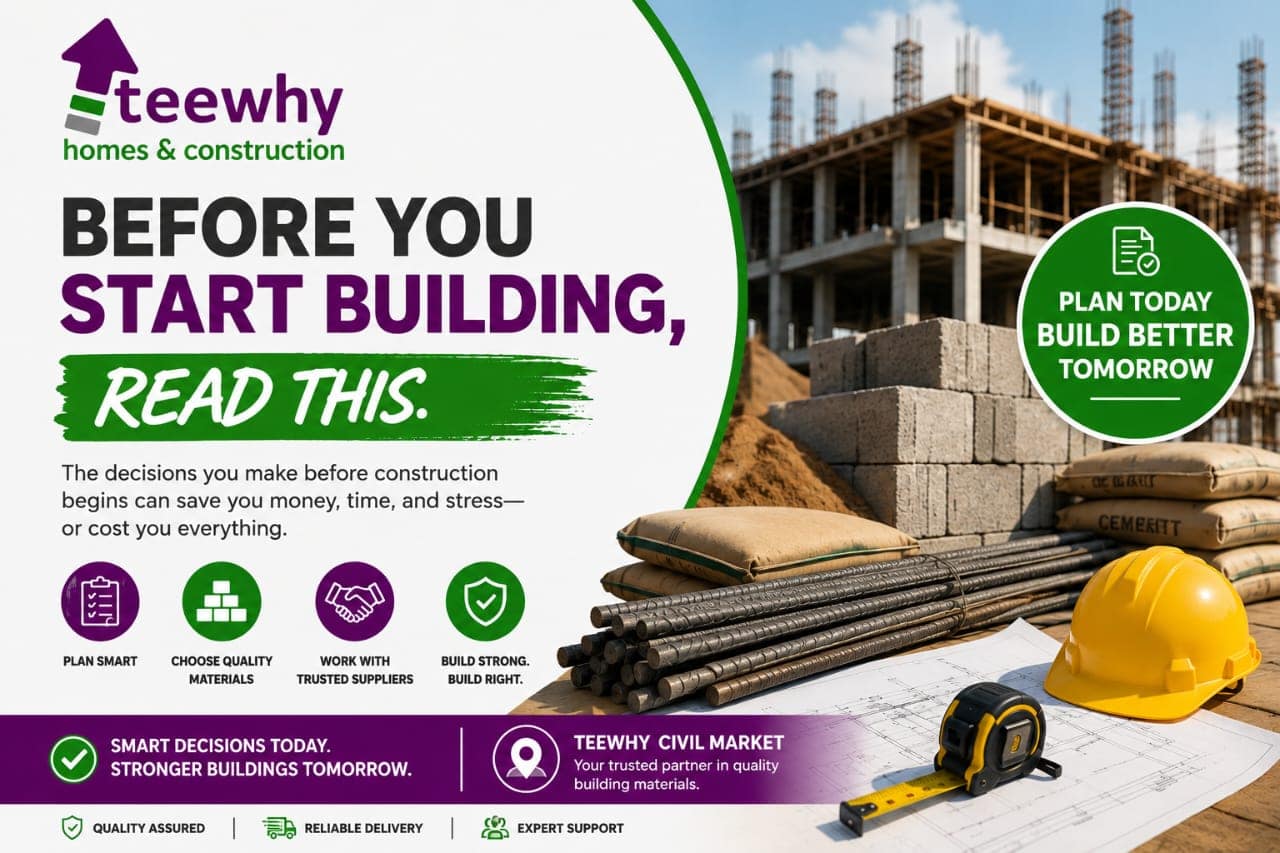
Most people believe that building problems happen during construction.
Cracks in the wall.
Weak foundations.
Rising costs halfway through the project.
But here’s the truth most people don’t realize:
The real problems usually start long before construction begins.
From our experience at Teewhy Civil Market by Teewhy Homes & Constructions, the most expensive mistakes are not made on-site. They’re made in the planning stage. They’re made in the choices you make when no one is watching yet, before the first block is even laid.
And if those decisions are wrong, the building simply reflects them later.
Why Most Building Projects Go Wrong Early
There’s a pattern we’ve seen over and over again.
A project starts with excitement.
There’s a budget. A timeline. A vision.
Then small compromises begin. Nothing dramatic. Nothing that feels like a mistake at the time.
Just decisions like:
- “Let’s manage cost with this cheaper material for now.”
- “We don’t need a full plan yet, we’ll figure it out as we go.”
- “This supplier is cheaper, let’s just try them.”
Individually, these decisions don’t look dangerous. But construction is not about isolated decisions. It’s about compounding effects. And in construction, small early compromises don’t stay small.
The Hidden Cost of “Saving Money” Early
One of the biggest traps in building is the illusion of saving money.
Choosing cheaper materials or cutting corners during planning often feels like being financially smart.
But what many people don’t calculate is the long-term cost.
Because what happens next is predictable:
- Materials fail faster than expected
- Repairs begin earlier than planned
- Maintenance costs increase
- Structural integrity weakens over time
And suddenly, what you “saved” at the beginning becomes what you keep paying for later.
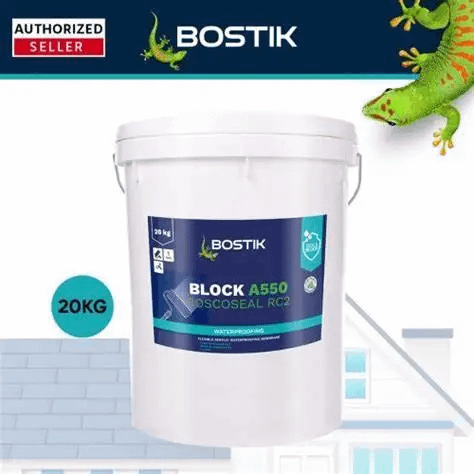
Using high-quality materials from the start changes everything. From durability to long-term cost savings, the right materials reduce future stress and protect your investment.
Why Planning Is More Important Than Execution
Most people underestimate planning because they are eager to “start building.”
But in reality:
A poorly planned project executed perfectly will still fail.
Planning is what determines:
- Structural strength
- Material requirements
- Cost efficiency
- Project timeline
- Risk management
Without proper planning, construction becomes reactive instead of controlled.
You don’t want to be making critical decisions while construction is already ongoing.
That’s where mistakes become expensive.
The Supplier Problem No One Talks About
Another silent factor that affects construction success is supplier inconsistency.
Many builders focus on price instead of reliability.
But here’s what unreliable suppliers actually cause:
- Delays in material delivery
- Inconsistent material quality
- Project interruptions
- Forced last-minute decisions
And every delay in construction has a cost.
Not just financially—but structurally too.
Because rushed decisions often lead to poor outcomes.
What Smart Builders Do Differently
Experienced builders approach construction differently.
They don’t chase shortcuts.
They focus on control, quality, and consistency from the beginning.
Here’s what they prioritize:
1. They Plan Before They Spend
They understand that every naira spent should be guided by a clear plan.
2. They Invest in Quality Materials
They don’t buy materials based on price alone—but on performance and durability.
3. They Work With Trusted Suppliers
They eliminate uncertainty by working with reliable sources.
4. They Think Long-Term
They build for durability, not just completion.

Why Prevention Is Always Cheaper Than Repair
In construction, prevention is not just better—it’s cheaper.
Fixing mistakes later involves:
- Demolition
- Rework
- Additional materials
- More labor
While preventing them requires:
- Better planning
- Better materials
- Better decisions
The difference in cost is not even close.
Conclusion
If you’re planning to build, don’t rush into construction.
Pause and ask yourself:
- Are my materials reliable?
- Is my plan solid?
- Are my suppliers consistent?
Because once construction starts, your flexibility reduces.
And your decisions become more expensive to change.
The success of your building doesn’t start on-site. It starts with your decisions.
Don’t wait until problems show up.
Make the right decisions from the very beginning.
👉 Partner with TeeWhy Civil Market today for high-quality materials, reliable supply, and expert support for your construction project.
Visit our website to order or send a message now to 09120355347.

Join The Discussion